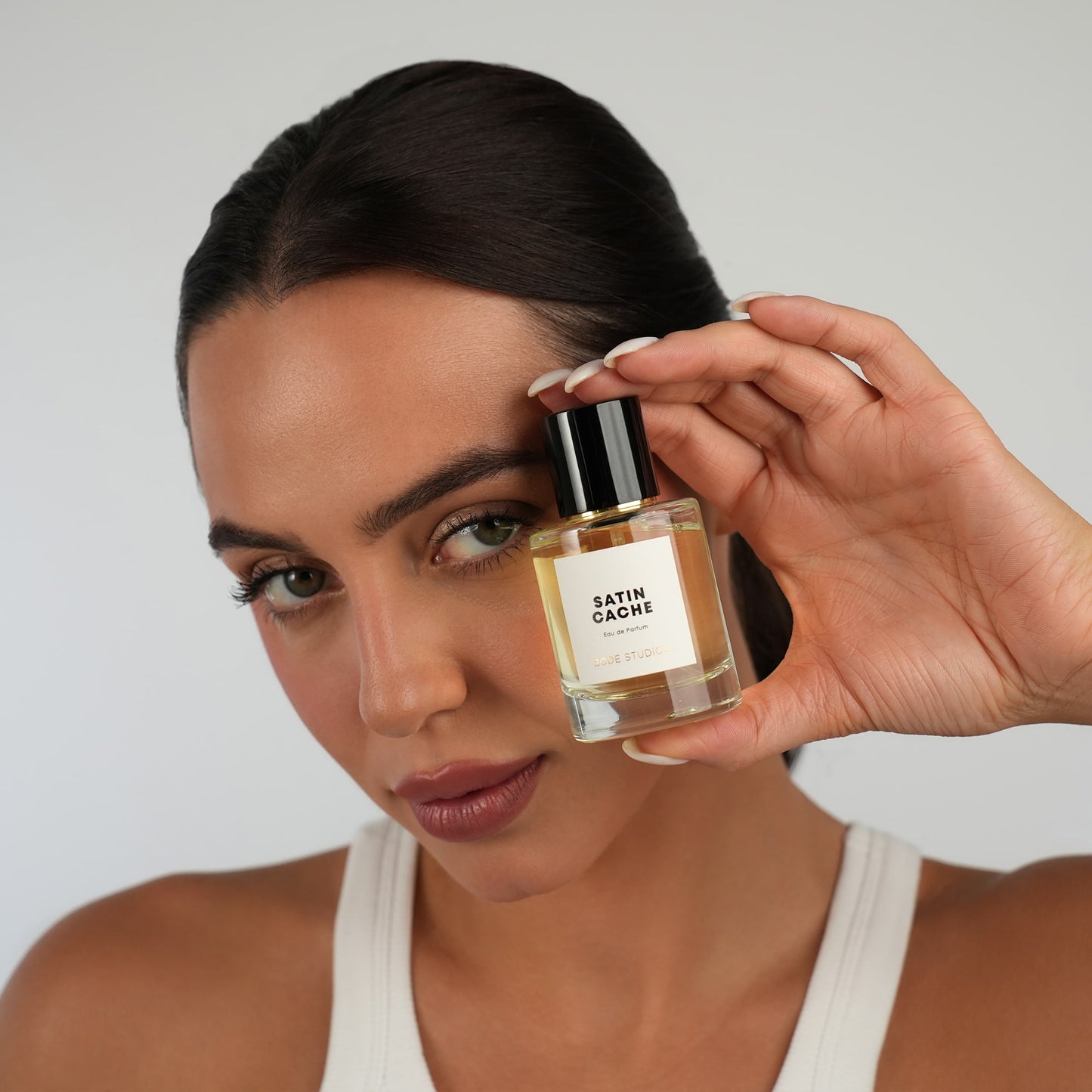


Many people invest a lot in a quality fragrance and then place it on the bathroom windowsill. That is exactly where heat, humidity and sunlight converge, and where a formula deteriorates fastest. Perfume is more sensitive than its reputation suggests. Three factors accelerate its decline above all others: UV radiation, temperature fluctuations, and oxygen exposure. Knowing these and avoiding them means your fragrance lasts significantly longer.
This article explains what happens chemically when a perfume is stored incorrectly, which spots in your home work best, and what serious collectors do differently.
What Happens to a Perfume When It Is Stored Incorrectly
A perfume is not a simple liquid. It consists of fragrance compounds, alcohol, water, and in many cases sensitive natural extracts such as jasmine, rose or oud. These compounds react to external conditions, faster than most people expect.
UV light breaks down fragrance molecules at a molecular level. This does not happen instantly, but it happens continuously. A perfume exposed to sunlight for a few hours every day loses measurable intensity and gradually shifts its profile. Light top notes such as citrus, green accords or fresh florals are particularly vulnerable.
Heat accelerates chemical reactions inside the bottle. Temperatures above 25 degrees Celsius alter the balance between alcohol and fragrance compounds. The alcohol evaporates more quickly, the concentration of the oils shifts, and the original character of the scent is lost. In the worst case, the perfume turns, meaning it smells rancid or simply wrong.
Oxygen is another issue. Every time the bottle is opened, air enters. Oxygen oxidises the most delicate components of the formula and changes them chemically. A spray bottle is therefore significantly better than a splash bottle: the spray mechanism doses the fragrance and seals it again automatically.
The Bathroom: The Most Popular and Worst Storage Spot
The bathroom is the most convenient place to keep perfume for many people. The logic is straightforward: perfume is applied in the morning before heading out, and the bathroom is the final stop. But this space combines every condition that harms a fragrance.
The bathroom is warm, humid and often bright. Showers and radiators cause temperature swings multiple times a day. Moisture can enter through the atomiser and dilute the formula. And when morning light comes through the window, transparent glass bottles on the shelf have almost no protection.
A fragrance exposed to these conditions for six months is no longer the same as on day one. Niche perfumes with a high proportion of natural ingredients are especially vulnerable, because natural extracts react less stably than synthetic molecules.
The Ideal Conditions for Storing Perfume
The basic rule is simple: cool, dark, dry, stable.
Temperature: Between 15 and 21 degrees Celsius is ideal. In most homes, this corresponds to a bedroom or a cool hallway cupboard. Not a refrigerator, as condensation and foreign odours form there, and the temperature fluctuates every time the door is opened.
Light: No direct sunlight, but also no constant artificial exposure. The original packaging is not superfluous, it is a genuine protective factor. Anyone displaying their bottle decoratively should at least keep it away from windows and lamps.
Humidity: Between 40 and 50 percent relative humidity is optimal. Bathrooms run significantly higher. Bedrooms are generally well within the right range.
Stability: No major temperature swings. A fragrance oscillating between 15 and 30 degrees ages faster than one kept consistently at 18 degrees. Window ledges in summer are therefore unsuitable, even if they sit in the shade.
Which Bottles Protect Better Than Others
Not every bottle is built the same way, and this directly affects how long the contents last.
Coloured and opaque bottles filter UV radiation more effectively than clear glass. This is why many high-end niche houses use dark glass, heavy clear glass with thick walls, or opaque materials. It is not purely a design decision.
Spray bottles with a firm mechanism protect the contents better than splash bottles. With splash bottles, the liquid comes into direct contact with fingertips and air, which encourages both contamination and oxidation.
Small travel atomisers are practical but more exposed: the ratio of air to liquid is less favourable, and the opening is used more frequently. Anyone applying fragrance on the go should leave the main bottle at home and carry only a filled travel spray.
How Collectors Store Their Fragrances
Anyone building a larger collection thinks about storage differently. A few practices from the fragrance community that have proven effective:
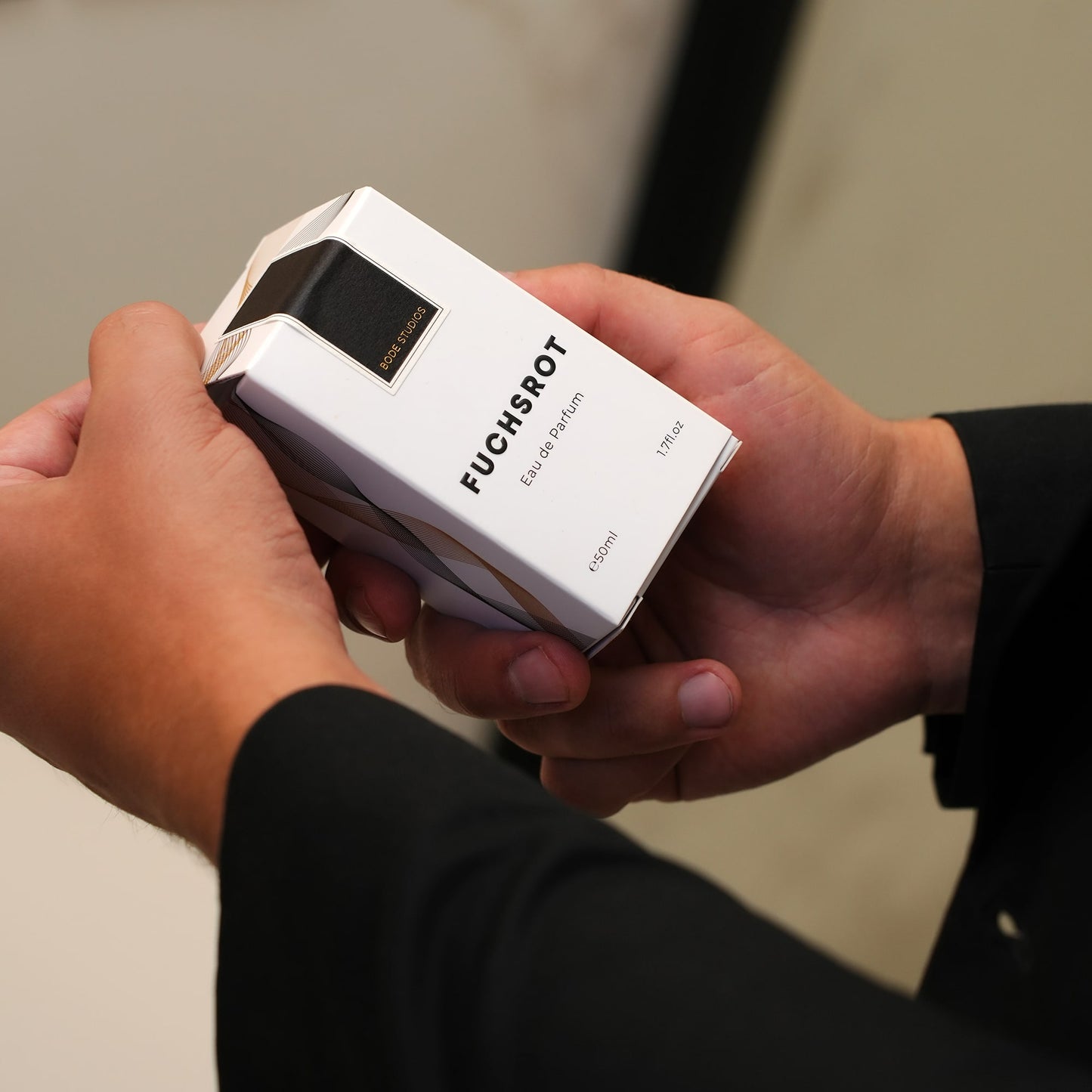
Keep the original box: Even if the bottle looks beautiful on display, the carton protects against light and buffers small temperature fluctuations. Many collectors store unopened reserve bottles in their boxes in a drawer.
Set up a fragrance wardrobe: A dedicated cupboard or drawer in the bedroom, away from radiators and windows, is standard practice for serious collectors. Dark, cool, stable.
Perfume fridges: For truly valuable or sensitive fragrances, there are dedicated fridges that regulate temperature between 12 and 16 degrees Celsius with no fluctuations. Not necessary for most people, but a sensible investment for rare extrait de parfum bottles or limited editions.
Do not shake the bottle: A common misconception. Shaking introduces air into the formula and accelerates oxidation. Simply do not do it.
How to Tell If a Perfume Has Gone Off
A turned perfume shows three signs:
Colour change: The liquid becomes darker or cloudy. Clear, light fragrances that turn yellow or brown have undergone a chemical change.
Smell: The fragrance smells foreign, sour, rancid or simply flat. Top notes have often disappeared entirely, leaving behind a dull, heavy residue.
Consistency: In rare cases the liquid becomes thicker or visible deposits appear.
A fragrance showing these signs cannot be rescued. Neither cooling it nor diluting it helps. The perfume is gone.
Comparison: Good and Bad Storage Locations at a Glance
| Location | Light | Temperature | Humidity | Suitable? |
|---|---|---|---|---|
| Bathroom | Often bright | Fluctuating, warm | High | No |
| Windowsill | Direct sunlight | Fluctuating | Variable | No |
| Bedroom cupboard | Dark | Stable, cool | Low | Yes |
| Living room shelf | Indirect | Stable | Normal | Conditionally |
| Refrigerator | Dark | Too cold, fluctuating | High | No |
| Original box in cupboard | Protected | Stable | Low | Yes |
FAQ
Can I store perfume in the refrigerator? No. The refrigerator is too cold, the humidity is too high, and opening it daily causes temperature fluctuations. Foreign food odours can also affect the scent. Cool does not mean cold: 15 to 21 degrees Celsius is the target.
How long does a perfume last when stored correctly? An unopened bottle kept under optimal conditions can last ten years or more. An opened bottle stored well generally lasts three to five years, depending on concentration and ingredients. Oriental, woody and resinous fragrances last longer than citrus or light floral accords.
What does the PAO symbol on the bottle mean? PAO stands for Period After Opening, shown as an open jar with a number, for example 24M for 24 months. This is a regulatory guideline, not a hard expiry date. With good storage, many fragrances last considerably longer.
Should I keep the original box? Yes, if you plan to store the fragrance long-term. The box protects against UV radiation and buffers small temperature changes. Particularly for high-end or rarely used perfumes, it is worth keeping.
Can I store perfume lying on its side? Only if the bottle is tightly sealed and unopened. With opened bottles, there is a risk that the pump mechanism or cap becomes unsealed and the contents evaporate or leak. When in doubt, always store upright.
Key Takeaways
- Light, heat and oxygen are the three biggest enemies of a perfume.
- The bathroom combines all negative factors and is the worst storage location.
- Ideal conditions are 15 to 21 degrees Celsius, minimal light, stable temperature and low humidity.
- A bedroom cupboard or drawer is the simplest and best solution for most people.
- The original box protects and should not be thrown away.
- Spray bottles protect the contents better than splash bottles.
- A perfume that has turned cannot be rescued.